Short-term capital, arranged around a credible exit.
A bridge is a precision instrument. In the right hands it delivers speed, flexibility and certainty. Arranged without discipline, it becomes expensive debt with no clear way out, and a difficult conversation for the client's professional advisers.
Short-term secured finance, typically 3, 24 months, priced for speed and flexibility rather than long-term cost.
When the exit is defined, evidenced and realistic, a sale, a refinance onto term debt, or a value-add event with a known timeline.
When the exit is aspirational, unfunded or dependent on a variable outside your control. That is not a bridge, that is a problem waiting to happen.
Where a commercial bridging loan genuinely earns its place.
Auction
Certainty of funds within a 28-day window, priced against a defined exit.
Refurbishment
Light to medium works where value uplift underwrites the refinance.
Commercial
Owner-occupier or investment transactions requiring speed and flexibility.
Development
Site acquisition ahead of planning gain or full development finance.
Planning Gain
Bridge to permission, structured around the risk of the application itself.
Capital Raising
Releasing equity from an asset for a defined and time-bound purpose.
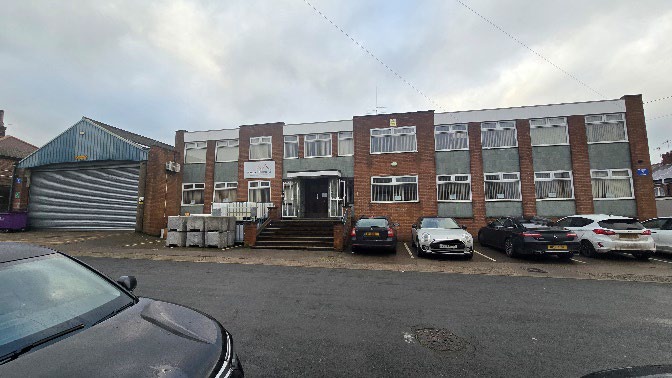
A 65% LTV bridge, refinanced onto a £1.60m commercial mortgage.
A seven-unit industrial investment in Pontefract acquired on a bridging loan, re-let to strengthen income, then refinanced onto term commercial debt — releasing £950,000 for the next acquisition.
Common questions on commercial bridging.
- What is a commercial bridging loan?
- A commercial bridging loan is short-term secured finance, typically three to twenty-four months, used to acquire, refinance or release equity from a commercial property ahead of a defined exit — usually a sale, a refinance onto a term commercial mortgage, or a value-add event such as refurbishment, letting or planning gain.
- How quickly can a bridging loan complete?
- Straightforward cases with clean title and a red-book valuation in hand can complete inside seven to fourteen days. Auction purchases are routinely funded within the standard 28-day window. Complex title, planning conditions or leasehold issues extend the timeline, which is why we set expectations against your solicitor's diligence, not the lender's marketing.
- What loan-to-value do commercial bridging lenders offer?
- Most commercial bridging lenders will consider up to 65 to 70 per cent of open-market value on standard investment stock, and up to 75 per cent against 90-day or forced-sale valuations. Higher gearing is available against strong exits, but the cost of that gearing usually outweighs the benefit.
- Do you arrange bridging for property developers?
- Yes. Development-adjacent bridging — site acquisition ahead of planning, pre-development purchases, refurbishment bridges and exit bridges once a scheme reaches practical completion — is a significant portion of the work. Where full development finance is the right instrument, we arrange that instead.
- What does a commercial bridging loan cost?
- Interest is quoted monthly, typically between 0.6 and 1.2 per cent, plus lender arrangement fee, valuation, legal costs and, on repayment, an exit fee where applicable. We model the total cost against the exit before recommending any facility — a bridge that looks cheap on the rate sheet often is not once fees and duration are added.
Every bridge we arrange begins with a written exit strategy, agreed with the client before terms are requested. It is the discipline the market too often forgets.
Discuss a scenario