
Long-term finance, arranged with the exit already in view.
A commercial mortgage is a twenty-year decision. It deserves the same rigour as any material transaction the client's accountant reviews, not simply the first quote the incumbent bank offers.
Investment
Single-let and multi-let investment properties, priced against income cover and asset quality.
Owner-occupied
Long-term secured finance for the trading business, often better value than the bank's first offer.
Portfolio refinance
Consolidation or restructure across multiple assets, typically to release equity or extend term.
A twenty-year mortgage still deserves an exit plan.
Refinance windows, break clauses, tenant covenant, business succession, the questions that matter in year seven should be answered in year one.
Discuss your portfolio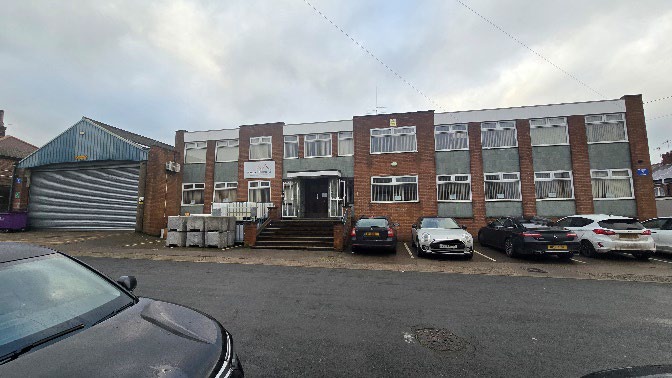
A £1.60m commercial refinance that released £950,000.
A seven-unit industrial investment in Pontefract acquired on a bridging loan, re-let to strengthen income, then refinanced onto a term commercial mortgage — repaying the bridge and releasing capital for the next acquisition.
Common questions on commercial mortgages.
- What is a commercial mortgage?
- A commercial mortgage is long-term secured finance — typically five to twenty-five years — against a property used for business or investment purposes. Terms are priced against the property, the borrower and, where relevant, the covenant of the underlying tenant.
- What loan-to-value can I borrow on a commercial mortgage?
- Most lenders will consider up to 65 to 75 per cent of open-market value on investment property, and up to 75 to 80 per cent on owner-occupied trading premises where the business services the debt. Higher gearing is available on strong covenants and prime assets.
- Can I refinance a bridging loan onto a commercial mortgage?
- Yes — bridge-to-term is one of the most common structures we arrange. A bridge acquires or repositions the asset; a term commercial mortgage then repays the bridge once income is stabilised and evidenced. Structuring both facilities in sequence, with the exit lender identified from day one, avoids the classic late-stage refinance surprise.
- How long does a commercial mortgage take to complete?
- A well-prepared application with a straightforward asset typically completes in eight to twelve weeks. Complex title, tenanted investment, listed status or portfolio structures extend the timeline — which is why we sequence the diligence and the funding on the same clock.
- Are commercial mortgage rates fixed or variable?
- Both are available. Fixed rates typically run for two, three, five or ten years and are priced against swap rates; variable rates are priced over Bank Rate or SONIA. The right choice depends on the exit plan, the income profile and the borrower's tolerance for interest-rate risk — a question best answered alongside the client's accountant.